A Renewed & Limited War on the Horizon in the Middle East
As the 60-day interim ceasefire agreement comes to an end this week, will the Middle East return to a full-blown war? In this article, I write about the end of the ceasefire, Iran’s warnings to the US about its “behaviour”, and secret nuclear deal in Syria.
Will the Middle East Return to War?
The U.S. and the regional power in the Middle East, Israel, are preparing what could be one of the harshest strike waves yet against Iran’s energy infrastructure.
The preparations to strike over the weekend was postponed to give an opportunity for diplomacy.
The targets under discussion include power plants and refineries, with high-level talks also held about cutting electricity across Tehran.
A number of Iran’s neighbours that were attacked by the Iranian regime is coordinating with Washington. President Trump has not yet given the final execution order, but the military preparation is already in place.
The socio-economic cost of the US-Iran War
Since February 28th of this year, the US-Iran war began with Operation Epic Fury. Today, almost five months later, the war still continues.
What is the cost of the US taxpayer? How many have lost their lives due to this conflict?
In this article, I write about the socio-economic cost of the US-Iran war on the US citizen and military:
Did Hamas dissolve its government in Gaza to save the regime?
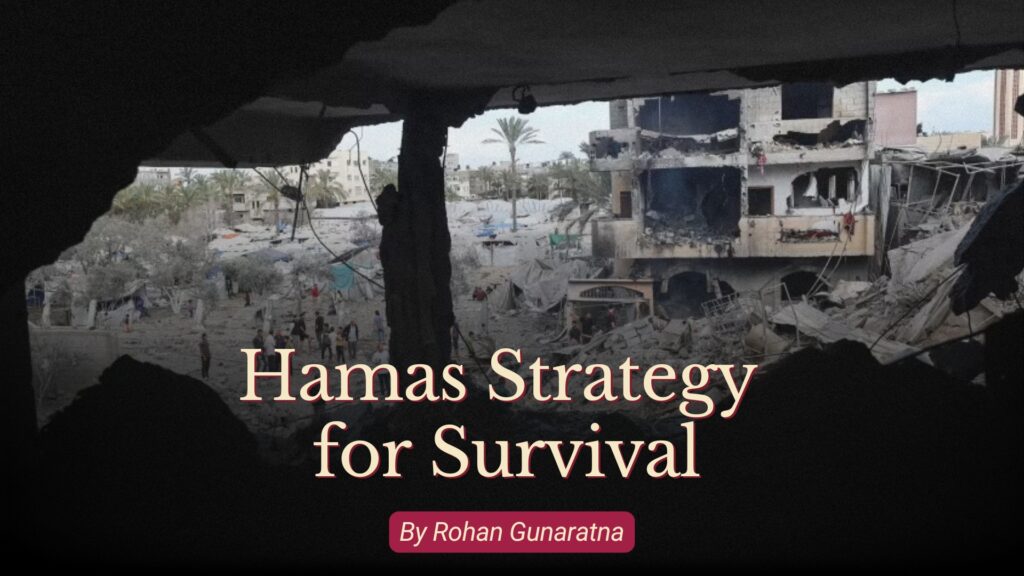
The transition into the next phase of the US-brokered peace plan remains gridlocked. Irrespective of the party in power, Israel will reject any long-term administrative or security model that permits a continued Hamas footprint. Israeli officials, including Prime Minister Benjamin Netanyahu, emphasize that the true sticking point remains Hamas’ disarmament and refusal to surrender its weapons.
In this article, I write about the Hamas move to dissolve its rule of the Gaza strip and what this may entail.
The Return of the Islamic State in Syria?
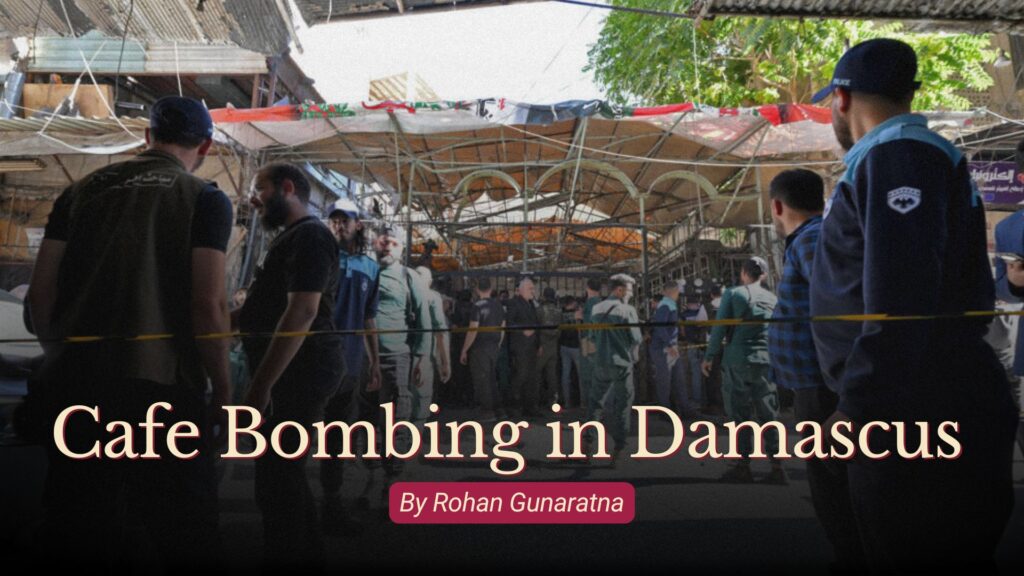
The Islamic State (IS) has maintained a low-level insurgency and a terrorist campaign in Syria. Conducting frequent asymmetric operations, the most recent incident is the Damascus Cafe Bombing on July 2, 2026. At least nine people were killed and 22 wounded by an explosive device planted at a crowded cafe near the Palace of Justice. The cafe is one of the busiest in the area, frequented by lawyers, court visitors, and the general public.
In this article, I write about the series of attacks conducted by the IS in Syria after the transitional HTS government came to power
War and Peace with Iran
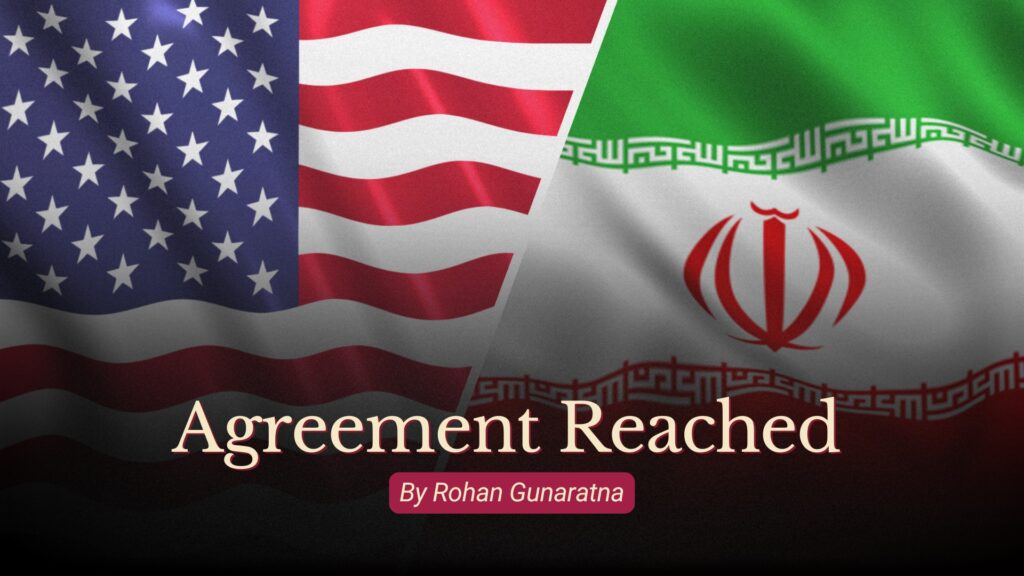
The Interim Agreement reached between the US and Iran yesterday (14 June 2026) calls for a ceasefire on all fronts, Iran to “open” the Strait of Hormuz, and the United States to lift its naval blockade on Iranian ports. The United States and Iran will sign the agreement in Geneva on June 19.
However, the next few months will be a period of danger as IRGC will consolidate its power and control in Tehran. Especially, as the three core issues that led to the war remains unresolved.
Iran Strikes Kuwait, Bahrain and Oman
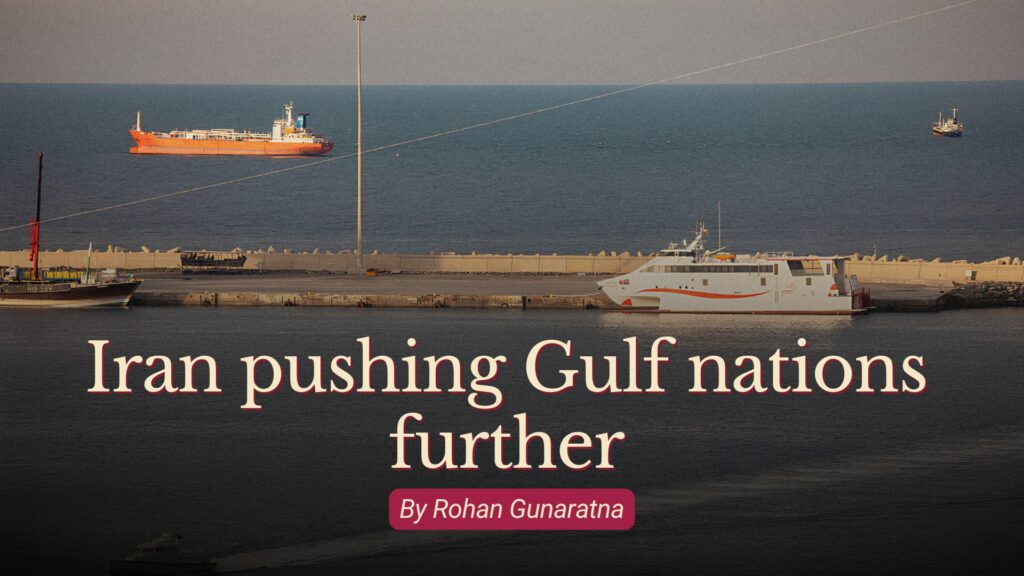
In the last couple of days, Iran has attacked Kuwait, Bahrain, and Oman.
As Tehran cannot match the conventional military power of the U.S. or Israel, its strategy is to use asymmetric tactics to raise the political, economic, and logistical costs of ongoing conflicts. Also known as ‘deterrence by punishment’, Tehran targets critical civilian and economic infrastructure across the Gulf Cooperation Council (GCC) states. By striking hubs, airports, and oil and gas facilities, Iran’s IRGC aims to leverage regional prosperity to force Gulf governments to pressure Washington to limit military operations.
I write more about Iran’s strategy in this article…
The New Global Wave of Terrorism
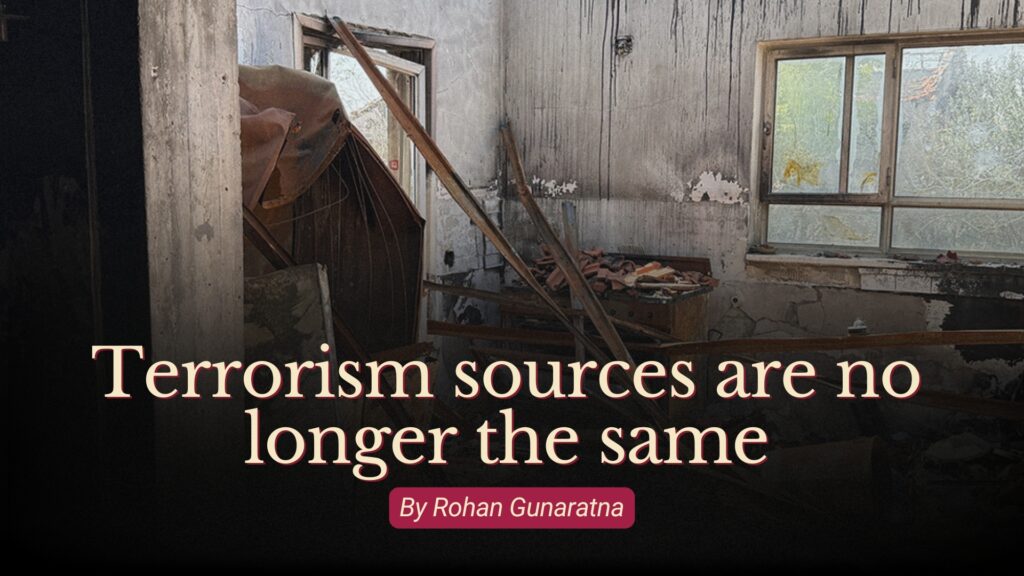
In the past, the global terrorism environment was largely influenced and shaped by propaganda disseminated by affiliates of Al Qaeda and the Islamic State. In addition to the continuing threat by Al Qaeda and the Islamic State, the threat today is shaped by another hostile actor – Iran.
In this article, I write about what this development could mean for the international security community and the safety and security of everyone.
Middle East War’s Next Phase: Who Will Open the Strait of Hormuz?
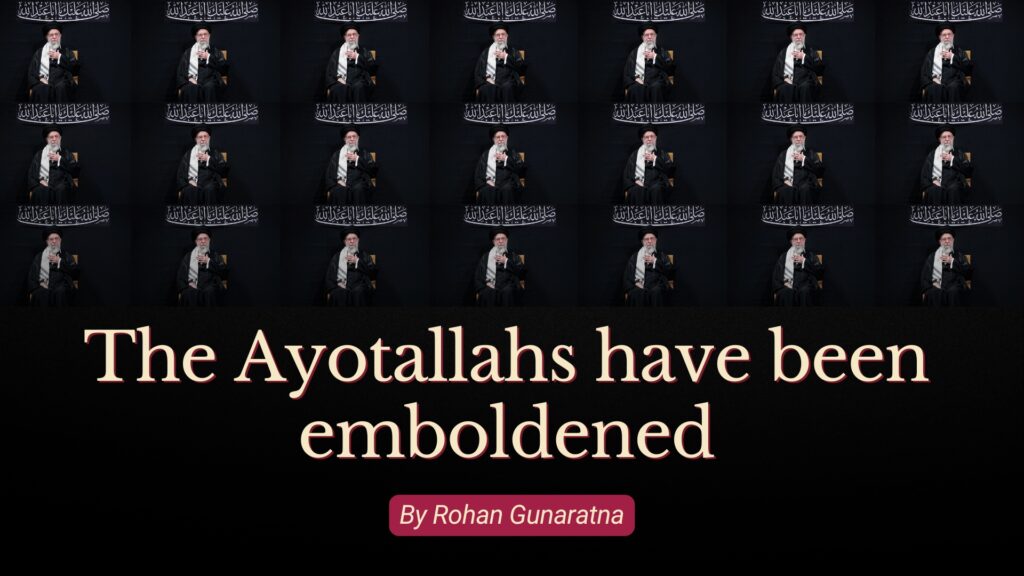
The Ayatollahs of Iran present themselves as the guardians of the Muslims. By exploiting religious beliefs, they have got away by threatening both mainstream Iranians and the international community. A mere US and Israeli military response is inadequate – in parallel, the response should be political, economic and social. Only then, the regime run by the IRGC will be dismantled and its ideology replaced. However, for such an achievement, governments worldwide need to come together and work with the Iranian people.
In this article, I write an in-depth analysis of the problem presenting itself to the international security community.
Iran’s Strategic Leap: Middle East War Expands
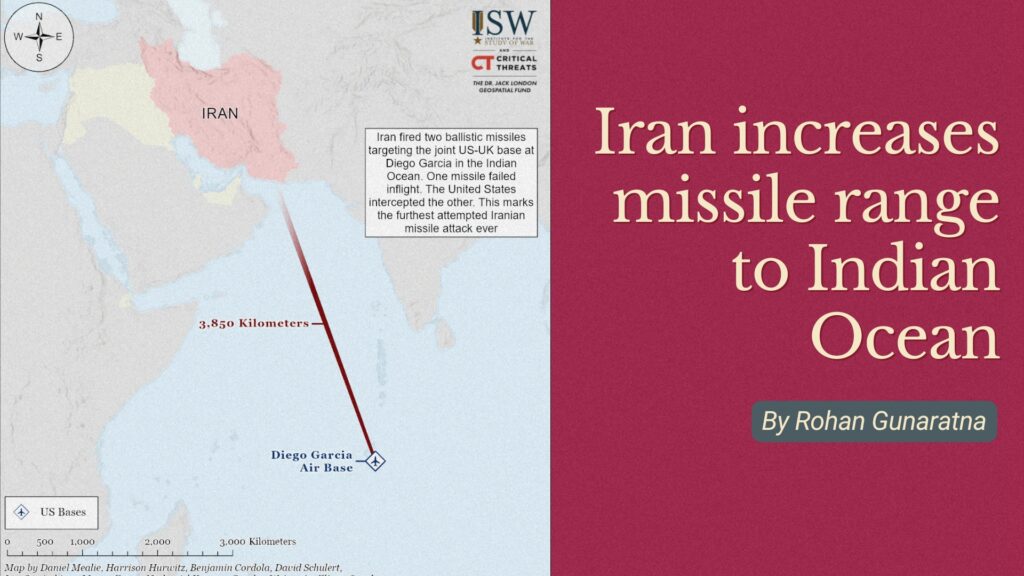
If anyone had doubts that the Iranian regime was engaged in terrorism, Tehran’s conduct after the Middle East War that erupted on February 28, 2026 has demonstrated adequately its preponderant use of terrorism! Using aerospace weapons – missiles, drones and rockets – the Iranian regime has mounted attacks on 12 countries in the neighbourhood, including mostly against civilian targets.
In this article, I address questions about what could come next now that Iran has displayed that its missile range could reach 4,000km. Read it here