
Your Travel Guide to the 6 Reports on the Easter Sunday Attack
I have compiled here below a link to download all 6 of the different Easter Sunday Reports as I have found that most websites that host them are unreliable and people find it hard to find all reports in one place. Parliamentary Select Committee Report (October 23, 2019) The Commission of Inquiry Report (January 31, […]
The question of commemoration: Remembrance Day 2024
Permitting the commemoration of Prabhakaran, Zahran or any other terrorist leader will lead to politicisation, radicalisation and mobilisation of another wave of terror. While it is important for loved ones to remember their dead privately in their homes, governments should not permit public commemoration of terrorists. Public commemoration of terrorists especially suicide terrorists is tantamount […]
Dark Secrets of Zahran’s Mind
Easter attack was Motivated by Religious Extremism – Shani Abeysekara
Easter Sunday investigator Shani Abeysekera briefs that the Easter attack was motivated by religious extremism
How Zahran Procured Funds and Materials to Build the Bombs
As evidenced in Professor Rohan Gunaratna’s latest publication: “Sri Lanka’s Easter Sunday Massacre: Lessons for the International Community”. Get your copy HERE.
How Zahran Procured Funds and Materials to Build the Bombs
As evidenced in Professor Rohan Gunaratna’s latest publication: “Sri Lanka’s Easter Sunday Massacre: Lessons for the International Community”. Get your copy HERE.
Commission of Inquiry Report – Volume 01
Thaslim is a true hero of Sri Lanka
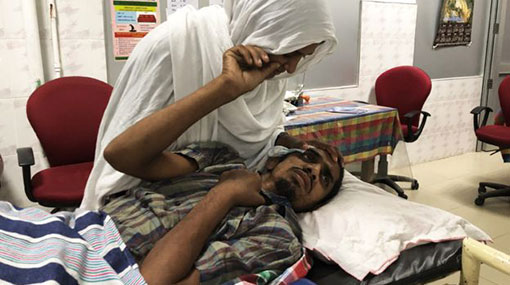
Sri Lanka was saved from an islandwide terrorist attack by M. R. M. Thaslim said Professor Rohan Gunaratna at the launch of his new book “Sri Lanka’s Easter Sunday Massacre-Lessons for the International Community” at the Bandaranaike Centre for International Studies in Colombo on July 28, 2023.
Sri Lanka’s Easter Sunday Massacre
Radical Islam is an enduring global challenge that presents a national and international security threat. Instigation by hate preachers, inadequate government, societal attention, religious and reciprocal radicalization have allowed this threat to manifest into terrorist violence. Extremist ideologies have infiltrated religious, educational, and digital spaces and thus, terrorism’s shadow continues to shroud the safety and […]
Building a Safer Future: The Role of Security Studies in Countering Terrorism
The Importance of Security Studies In today’s complex and rapidly changing world, security has become a paramount concern for individuals, governments, and businesses alike. With the rise of global terrorism, it is crucial to understand the underlying causes, motivations, and strategies employed by terrorist organizations. This is where the field of security studies plays a […]