An Intelligence Gold Mine: Al Qaeda’s Jack Roche
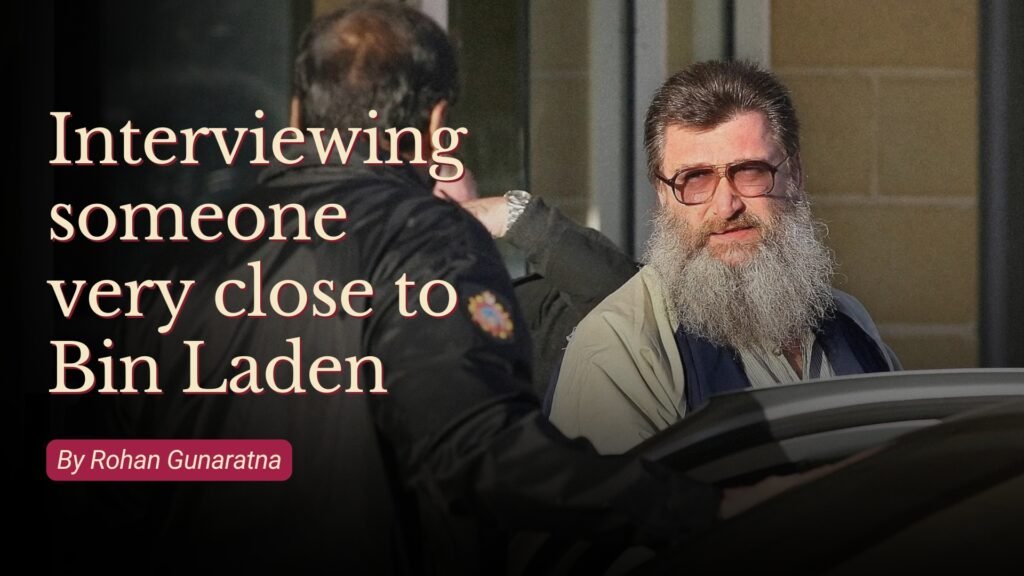
In a maximum-security prison, I interviewed Jack Roche, Australia’s most notorious Al Qaeda inmate. I also met Jack Roche’s Indonesian wife Afifah who genuinely cared for him.
The FBI paid Al Qaeda’s Jack Roche in cash while he was in detention. They looked after him and they have a lot of experience working with people like him. The FBI did not do anything wrong by paying him.
Implications of Splitting the United Kingdom
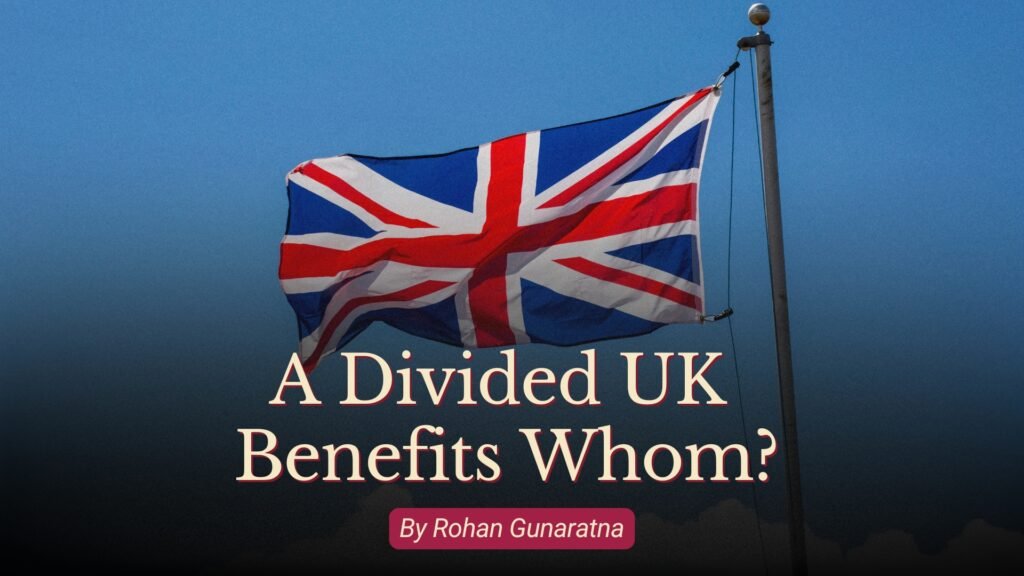
What are the Implications of Splitting the United Kingdom?
Is the United Kingdom, the vital partner of the United States and the artery of western power, about to divide and lose its great power, might, and glory? In this article, I write about the latest developments in the UK, including in Northern Ireland, Scotland, and Wales and analyse the consequences for the current world order.
Israeli capture of the head of Hamas’ internal security apparatus
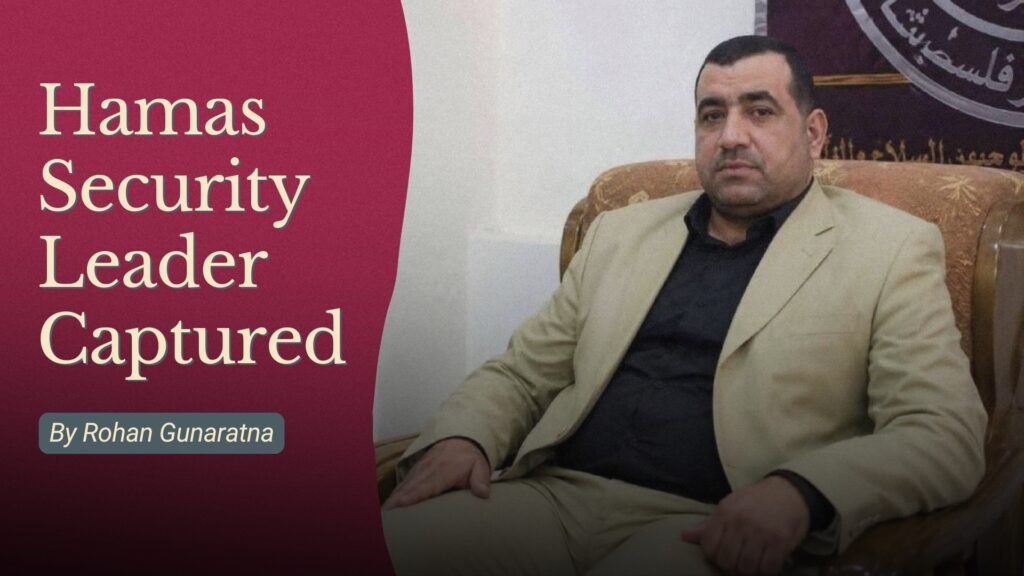
Israeli capture of the head of Hamas’ internal security apparatus
In broad daylight, Israel mounted an undercover operation in Gaza capturing a high value target demonstrating the IDF and Shin Bet’s reliance on high-grade and high-quality intelligence.
Since his capture, Moin al-Arabeed, the head of Hamas’s internal security in Gaza City, is cooperating with Israeli authorities.
Israel will harness the information he is providing to mount operations to dismantle the Hamas infrastructure that enabled it to stage the October 7 attack.
Read my full article on this latest development here
A Renewed & Limited War on the Horizon in the Middle East
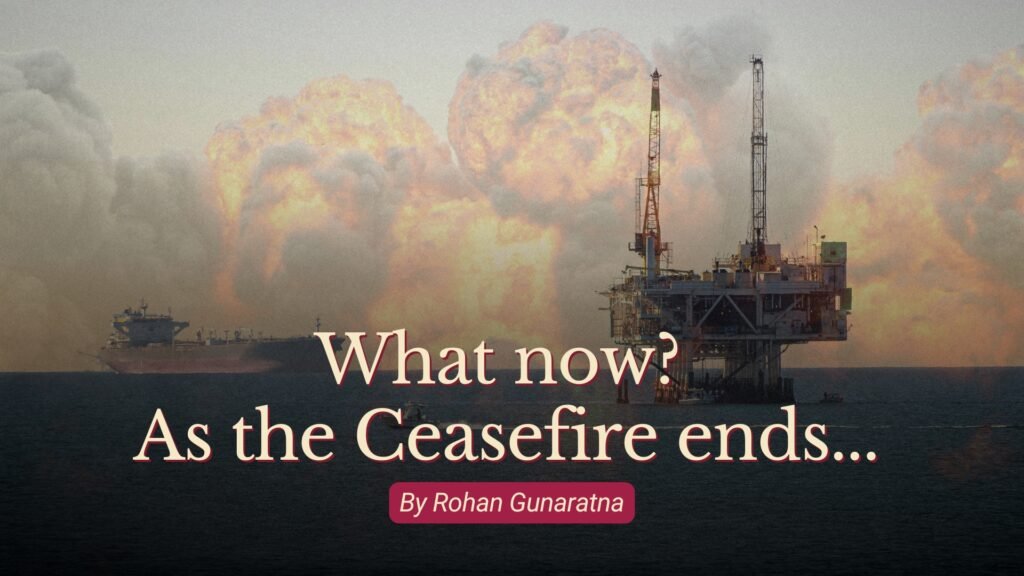
As the 60-day interim ceasefire agreement comes to an end this week, will the Middle East return to a full-blown war? In this article, I write about the end of the ceasefire, Iran’s warnings to the US about its “behaviour”, and secret nuclear deal in Syria.
A tribute to Lee Kuan Yew on Singapore’s 61st Birthday

By Rohan Gunaratna On Singapore’s 61st National Day, I wish to pay a tribute to Lee Kuan Yew, the founding father of Singapore, and share some memories of this great statesman. I first met with Mr. Lee two weeks before the Bali bombing in Indonesia on October 2002. The meeting at the Istana was like […]
Will the Middle East Return to War?
The U.S. and the regional power in the Middle East, Israel, are preparing what could be one of the harshest strike waves yet against Iran’s energy infrastructure.
The preparations to strike over the weekend was postponed to give an opportunity for diplomacy.
The targets under discussion include power plants and refineries, with high-level talks also held about cutting electricity across Tehran.
A number of Iran’s neighbours that were attacked by the Iranian regime is coordinating with Washington. President Trump has not yet given the final execution order, but the military preparation is already in place.
The socio-economic cost of the US-Iran War
Since February 28th of this year, the US-Iran war began with Operation Epic Fury. Today, almost five months later, the war still continues.
What is the cost of the US taxpayer? How many have lost their lives due to this conflict?
In this article, I write about the socio-economic cost of the US-Iran war on the US citizen and military:
Should individuals convicted of terrorism run for public office?

Last year, when Israeli soccer club Maccabi Tel Aviv played Aston Villa in a Europa Conference League match, Shahid Butt used social media to call on Muslims from around the country to travel to Birmingham to show solidarity with Palestinians and to prevent the Israeli team’s supporters from, in his words, “desecrating” and “dirtying” the city.
This year he is running for public office in the UK despite being convicted in Yemen in 1999 over a terror plot targeting the British consulate in Aden, an Anglican church and a hotel.
In this article, I write about the dangers of normalising exclusivist, extremist and violent ideologies:
Did Hamas dissolve its government in Gaza to save the regime?
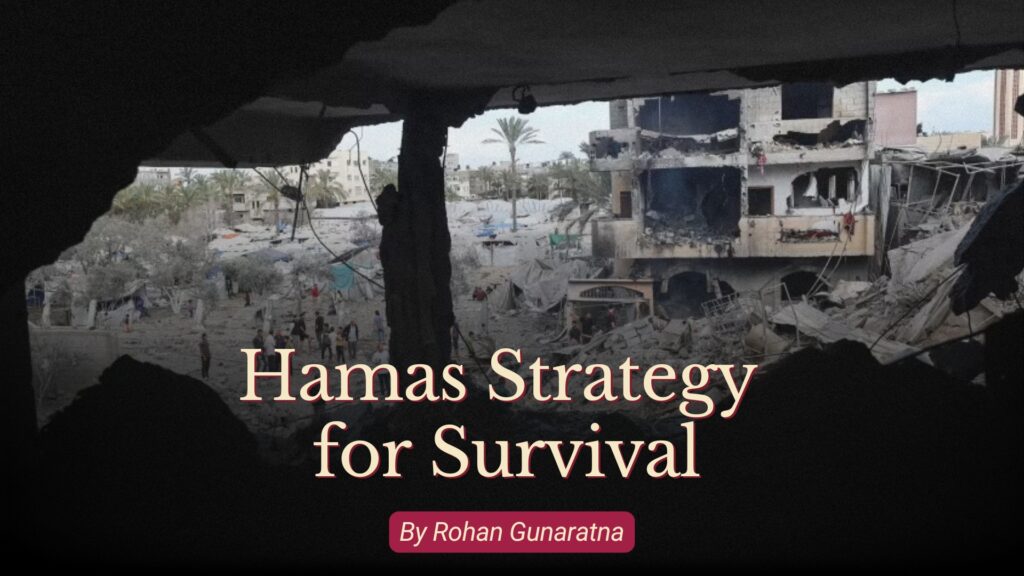
The transition into the next phase of the US-brokered peace plan remains gridlocked. Irrespective of the party in power, Israel will reject any long-term administrative or security model that permits a continued Hamas footprint. Israeli officials, including Prime Minister Benjamin Netanyahu, emphasize that the true sticking point remains Hamas’ disarmament and refusal to surrender its weapons.
In this article, I write about the Hamas move to dissolve its rule of the Gaza strip and what this may entail.
The Return of the Islamic State in Syria?
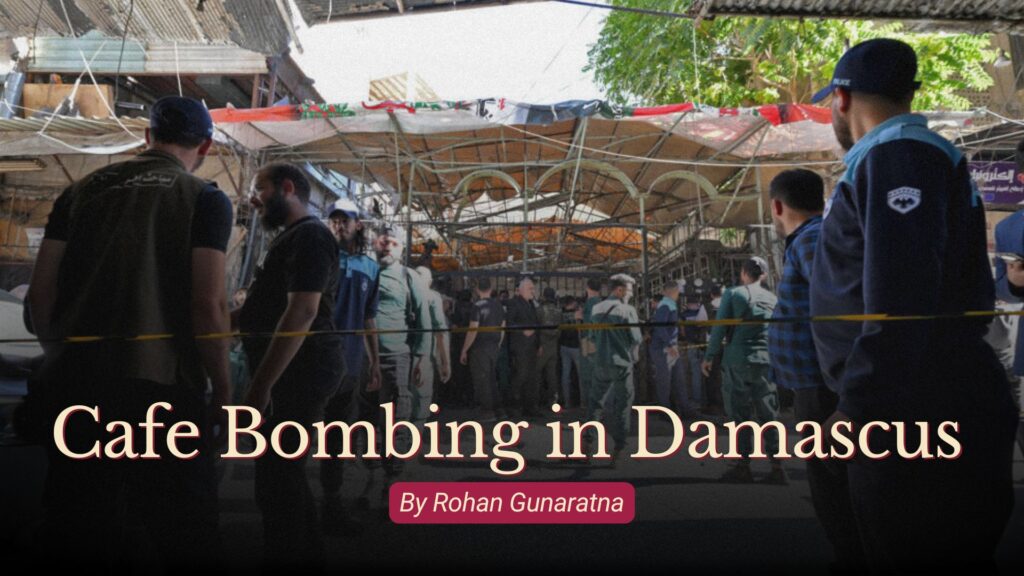
The Islamic State (IS) has maintained a low-level insurgency and a terrorist campaign in Syria. Conducting frequent asymmetric operations, the most recent incident is the Damascus Cafe Bombing on July 2, 2026. At least nine people were killed and 22 wounded by an explosive device planted at a crowded cafe near the Palace of Justice. The cafe is one of the busiest in the area, frequented by lawyers, court visitors, and the general public.
In this article, I write about the series of attacks conducted by the IS in Syria after the transitional HTS government came to power